
The Situation on the Ground
Picture this: you’re in a lab bustling with activity, testing samples, and attempting to yield precise results. Did you know that over 35% of labs struggle with reliable protein assessments? This is especially true when dealing with residual protein A detection, which can significantly affect the purity of therapeutic proteins. A crucial tool to combat this issue is the residual protein a detection kit. These kits not only streamline the process but also bolster accuracy, eliminating much of the guesswork involved. Makes you wonder, how many labs are still operating without this vital piece of equipment?
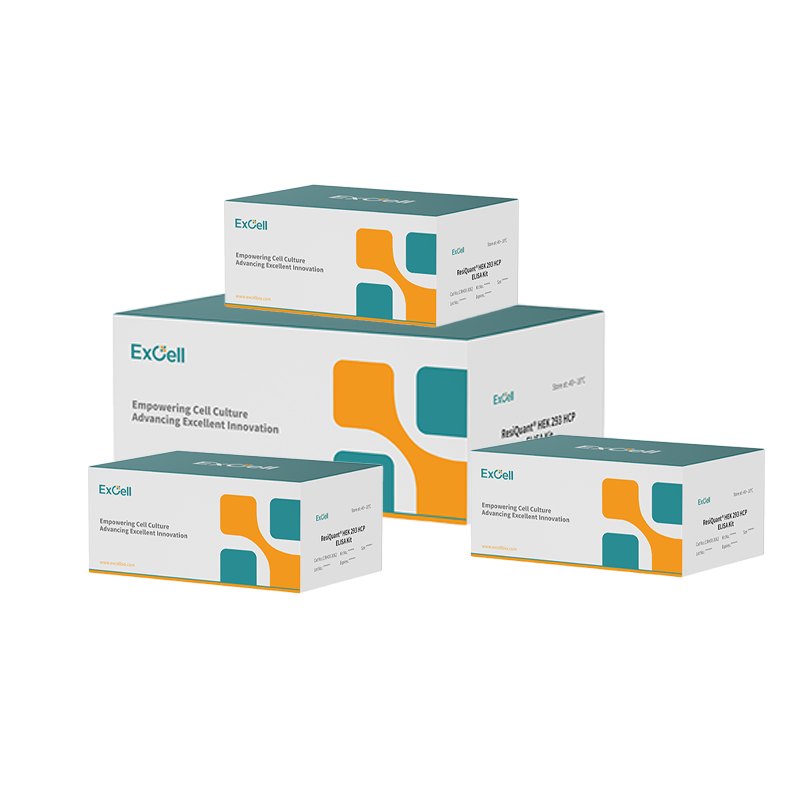
Understanding the Limitations of Traditional Methods
Every lab has its heavy hitters when it comes to testing methodologies. However, many standard procedures are fraught with limitations. For example, older immunoassay techniques may provide results that lack sensitivity, leading to undetected residuals. I remember a time at a conference in 2019 when a seasoned scientist shared frustrations over not being able to replicate accurate findings using outdated kits—talk about a downer. Innovations like the residual protein a detection kit bring a new level of precision that the old methods just can’t match. With such a change taking place, the essence of effective analysis is evolving fast, and who doesn’t want to stay ahead?
What Sets the New Kits Apart?
Modern detection kits are designed with enhanced specificity, enabling labs to identify residual protein A at lower concentrations. This leads to fewer false positives and negatives, making the whole process more efficient. Plus, these kits typically require shorter processing times. Anyone who’s ever stared at a clock while waiting for test results can appreciate that!
Peer Insights: The Future is Bright
Looking ahead, the landscape of protein analysis is bound for transformation. I’ve been chatting with colleagues in the field, and there’s a consensus—embracing advanced technologies is non-negotiable for growth. The latest designs in residual protein a detection kits incorporate user-friendly software and more robust validation processes, making them ideal for labs aiming to optimize their workflow. Just the other day, a friend shared how incorporating new kits increased their detection rate by a staggering 50%. Talk about a game-changer!
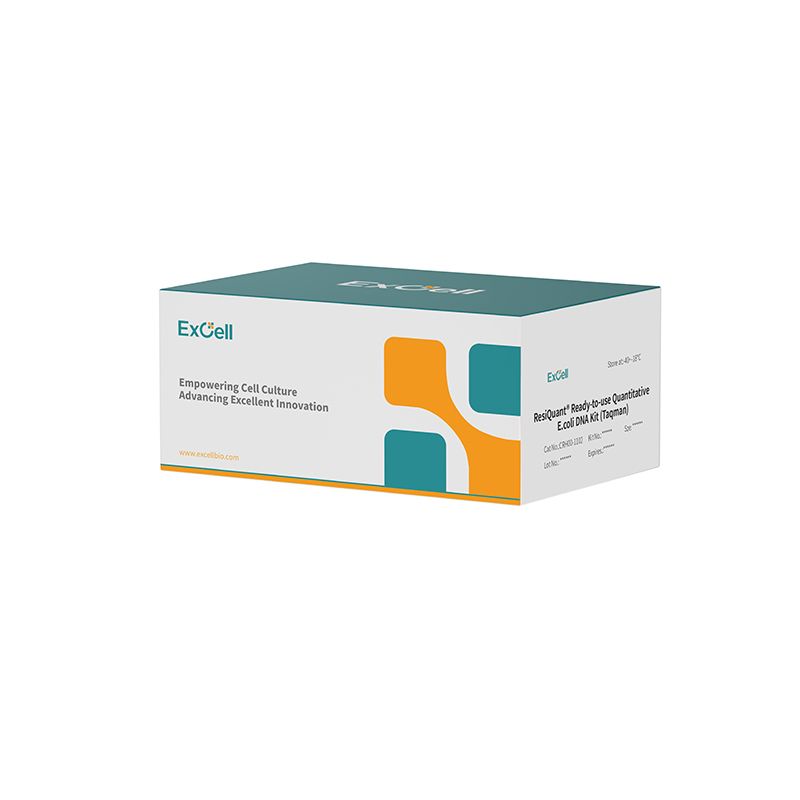
What’s the Real Impact?
This shift creates a ripple effect across various sectors: pharmaceutical companies, research facilities, and even hospitals are feeling the positive effects. Accurately detecting residuals means higher product quality and ultimately, improved patient outcomes. It’s not just about saving time but about the integrity of the findings and the trust we build with clients. Plus, let’s be real—who wouldn’t want to avoid costly recalls or bad batches that could haunt you for years? By utilizing advanced residual protein a detection kits, labs can ensure a tighter ship, so to speak.
Lessons We’ve Learned
We’ve learned that embracing innovation is key to staying relevant. Traditional methods might still hold sway, but they can’t compete with cutting-edge technology. I reflect on how important it is to stay curious and open to exploring newer methodologies in our work. Choosing the right detection equipment is essential; I’d recommend three evaluation metrics: accuracy of detection, processing speed, and user-friendliness. These factors can make or break the lab experience. I’m excited to see where these innovations will take us next.
To explore these innovative solutions further, check out ExCellBio and dive into what they have to offer. It’s an exciting time to be in the lab, and I look forward to learning and sharing more together!